Views: 0 Author: Site Editor Publish Time: 2026-10-24 Origin: Site


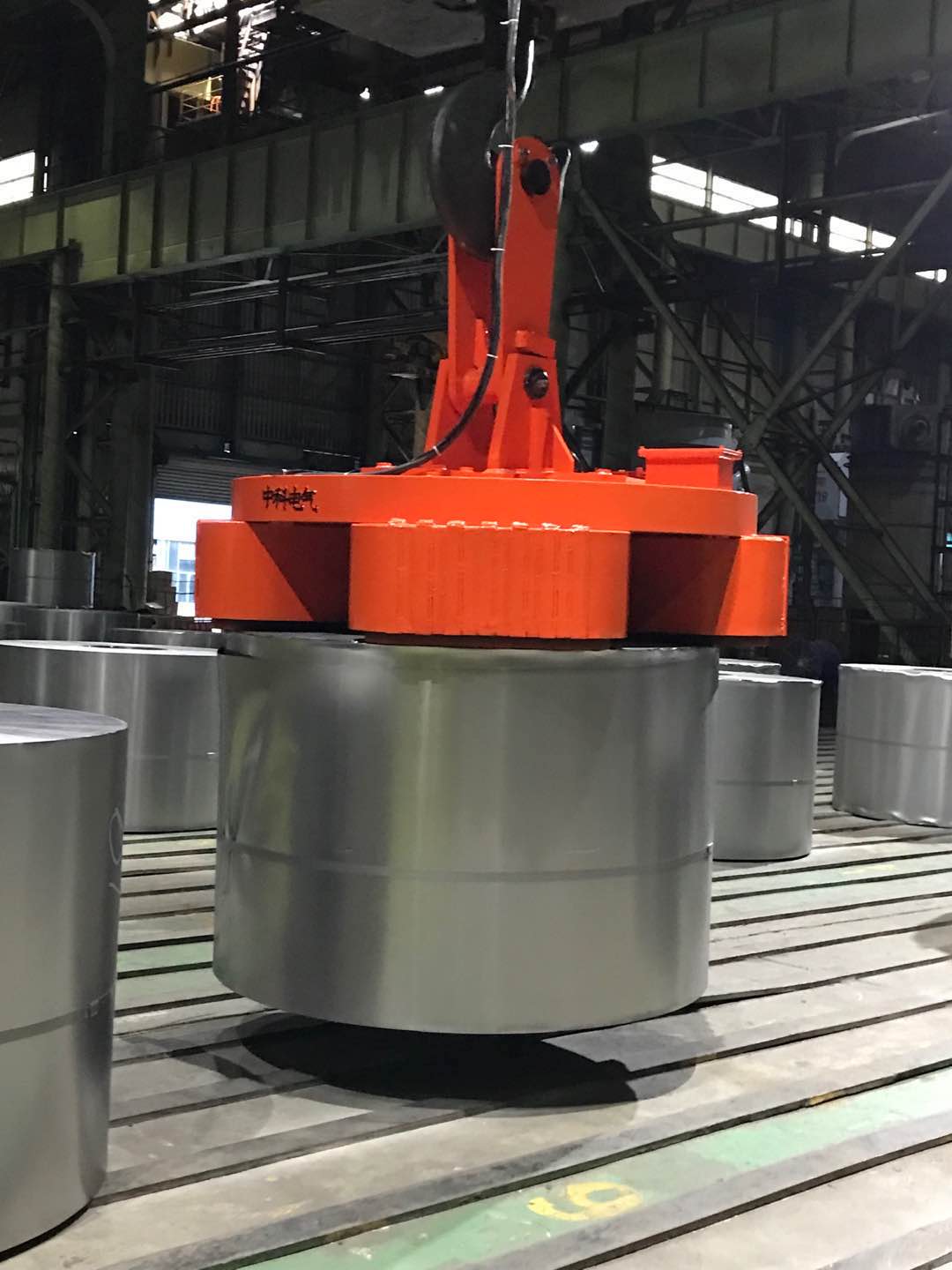
Rigging massive ferrous loads often creates severe operational bottlenecks. Heavy manufacturing demands constant efficiency. Traditional slings and chains operate too slowly. They are also labor-intensive and inherently hazardous. Enter the lifting electromagnet. This technology provides a standard, reliable solution for rapid material handling. You can move heavy steel plates and irregular scrap quickly. Facilities eliminate manual rigging delays almost entirely. This guide helps facility managers and procurement engineers. We explore where these magnetic systems operate best. You will learn which specific magnetic technology fits your unique environment. We also explain how to evaluate them strictly for safety and capacity. Choosing the correct setup reduces downtime significantly. It also protects your personnel from dropped loads. Read on to master magnetic lifting deployments in industrial spaces.
Lifting electromagnets are predominantly used in steel mills, scrap recycling yards, and heavy fabrication facilities to handle plates, billets, coils, and loose scrap.
Selection hinges on material geometry: flat plates require different magnetic footprint designs compared to irregular scrap or cylindrical loads.
Electro-permanent magnets are increasingly replacing standard electromagnets in safety-critical environments due to their fail-safe nature during power outages.
Compliance with lifting safety standards (e.g., HSE guidelines) requires mandatory backup systems for standard electromagnets and strict adherence to Safe Working Loads (SWL).
Transferring hot or cold rolled steel plates demands incredible speed. Operators must also move heavy billets, ingots, and coiled steel continuously. A robust lifting electromagnet maximizes throughput in these zones. It eliminates the need for dunnage between plates. Manual rigging becomes completely obsolete. High-temperature variants are mandatory for handling newly cast metals. Standard coils often fail when exposed to extreme radiant heat. Manufacturers build specialized heat shields into these units. They use advanced insulation classes to protect internal copper components. This ensures continuous operation over hot cooling beds.
Moving loose, irregular ferrous materials presents unique daily challenges. Operators handle shredded cars, turning scrap, and structural demolition debris. Deep magnetic field penetration is an absolute necessity here. Facilities typically rely on massive, circular standard electromagnets. Engineers design these units to withstand extreme mechanical impacts. The scrap yard environment is highly abrasive. A thick manganese wear plate protects the internal coil from jagged metal edges. This centralized, powerful magnetic pole configuration pulls loosely packed materials efficiently. It maximizes the payload per crane cycle.
Positioning massive structural components requires ultimate finesse. Welders need to align heavy plates precisely. Operators also load CNC plasma and laser cutting tables continuously. Precision and safety drive every decision-making process here. You need exact control over magnetic engagement. Dropping heavy stock ruins expensive materials instantly. Scratching polished surfaces destroys profitability. Operators use customized magnetic spreader beams for long materials. These beams engage the load smoothly. Controlled lifting prevents costly errors and accelerates production schedules.
Bulk loading and unloading of ferrous commodities happen around the clock. You move raw materials between ships, trains, and trucks rapidly. The primary performance metric is tons-per-hour (TPH). Maximizing this metric requires seamless equipment integration. Facilities mount large lifting magnets on mobile harbor cranes. They also utilize heavy-duty gantry systems. The right magnetic setup drastically reduces turnaround times for freight carriers. It allows swift transfer of pig iron, briquettes, and heavy bundled scrap. Efficient handling minimizes demurrage charges at busy ports.

Standard units require a continuous flow of electricity. This constant current maintains the active magnetic field. They are the best fit for general scrap handling and bulk transfer. In these environments, dropping the load during a power failure remains a mitigated risk. Operators establish designated safe zones for these specific lifts. Standard units offer a lower initial purchase cost. However, they consume significantly more energy over time. Facilities must also install costly battery backup systems. These backups ensure HSE compliance and prevent sudden load drops.
Electro-permanent systems utilize a completely different internal mechanism. They use a brief electrical pulse to switch internal permanent magnets. This pulse reverses the magnetic polarity instantly. The system requires zero electrical power during the actual lift. They are the best fit for precision manufacturing and laser cutting loading. They excel in areas requiring personnel to work in close proximity. These systems demand a higher upfront capital expenditure. Yet, they offer near-zero energy costs during daily operation. Most importantly, they provide complete immunity to power-loss load drops. They are inherently failsafe.
You must assess the payload surface meticulously. Scale, rust, thick paint, or uneven surfaces create microscopic "air gaps." These gaps drastically reduce the active magnetic holding force. You should specify magnets rated for actual facility conditions, not ideal laboratory metrics. A magnet rated for a clean block of steel performs poorly on rusted scrap.
Table 1: Estimated Load Capacity Derating Based on Surface Air Gaps
Surface Condition | Approximate Air Gap (mm) | Effective Lifting Capacity (%) |
|---|---|---|
Smooth Machined Steel | 0.0 mm | 100% |
Rough Cast Surface | 0.5 mm | 80% |
Heavy Mill Scale / Rust | 1.0 mm | 60% |
Thick Paint / Uneven Scrap | 2.0 mm+ | 40% or less |
Magnets require a specific minimum material thickness. The target steel must fully absorb the emitted magnetic flux lines. Thin sheet metal cannot hold the full capacity of a high-power magnet. The magnetic flux simply passes right through thin sheets. This often results in a dangerous "peeling" effect during the lift. Always match the magnet's pole design to the thinnest material you intend to handle.
Determine the flexibility of your standard load. Assess whether the load is rigid like heavy billets or flexible like long plates. Flexible loads require specialized multi-magnet spreader beams. A single central magnet allows long plates to bow at the ends. This bowing creates an air gap at the edges. The material then begins to detach and peel away from the magnet. Multiple contact points distribute the holding force evenly.
Standard electromagnets generate substantial internal heat. You must evaluate the required duty cycle accurately. Common industrial ratings include 50% or 75% duty cycles. Continuous shifting requires high ratings. If the internal coil overheats, electrical resistance increases. This drops the effective magnetic lifting capacity rapidly. Specify proper cooling designs for continuous heavy-duty applications.
Industrial facilities must adhere strictly to Health and Safety Executive (HSE) guidelines. Regulatory bodies mandate strict protocols regarding magnetic lifting devices. Facilities must avoid carrying suspended lifts over active personnel. Establishing clear exclusion zones is critical for floor safety. Operators need dedicated training for magnetic systems. A lifting electromagnet behaves differently than mechanical hooks. Facility managers must enforce these operational boundaries daily.
Standard electromagnets lose their load instantly if utility power fails. Safety codes mandate specific protective measures. You must equip standard units with uninterrupted power supplies (UPS). Dedicated battery backups are also acceptable. These systems must hold the maximum rated load for a mandated duration. Typically, codes require 10 to 20 minutes of backup power. This window allows crane operators to lower the load safely during a grid failure.
You must educate your lifting teams on Safe Working Load (SWL) derating. Alloy composition affects magnetic permeability significantly. High-carbon steel possesses a lower magnetic permeability than standard low-carbon steel. Lifting cast iron requires a different safety calculation. You cannot apply the standard mild steel lifting metrics to complex alloys. Always refer to the manufacturer's specific alloy derating charts before executing heavy lifts.
Regular maintenance ensures long-term safety and compliance. Follow these mandatory inspection steps strictly:
Inspect the main lifting eye and chains for mechanical wear daily.
Check all electrical power cables for visible jacket damage or exposed wires.
Perform regular Megger tests to verify internal electrical insulation integrity.
Measure the actual lifting capacity annually using certified test weights.
Document all findings in the official facility maintenance logbook.
A lifting electromagnet is never a universally interchangeable tool; you must match the technology to the application.
Electro-permanent systems offer superior safety and zero active energy use, making them ideal for precise, personnel-adjacent manufacturing.
Standard circular electromagnets remain the undisputed choice for chaotic, high-impact environments like scrap and recycling yards.
Thoroughly audit your facility's daily load weights, material thicknesses, and surface conditions before purchasing any magnetic lifting system.
Partner directly with an engineered lifting solutions provider to ensure your final specification meets all local safety codes and capacity requirements.
A: Standard electromagnets will immediately drop their load unless equipped with a mandated battery backup system. Electro-permanent magnets, however, maintain their full magnetic hold indefinitely without power, making them inherently failsafe.
A: No. They rely on the magnetic permeability of the material. Austenitic stainless steel, aluminum, brass, and copper cannot be lifted using magnetic devices. Vacuum lifters or mechanical clamps are required for these materials.
A: Magnetic lines of flux must fully saturate the material to achieve maximum holding force. If the steel is too thin, the flux passes right through it, significantly reducing the magnet's effective lifting capacity.