Views: 0 Author: Site Editor Publish Time: 2026-09-30 Origin: Site


Procurement teams constantly juggle two opposing forces. You want to keep minimum order quantities (MOQs) low to preserve capital. However, you also need fast lead times to guarantee operational continuity. Industrial sourcing rarely operates on arbitrary timelines. Instead, raw material availability, custom engineering requirements, and rigid factory production runs dictate your delivery schedules. Finding the sweet spot requires a deep understanding of complex manufacturing constraints.
This guide gives you a structured framework to forecast timelines accurately. We will show you how to negotiate batch orders effectively while avoiding excess warehouse inventory. You will also learn how to evaluate suppliers based on real-world manufacturing capabilities rather than marketing promises. By mastering these critical procurement dynamics, you can align your engineering needs seamlessly against supply chain realities. You will finally bridge the gap between strict design parameters and actual purchasing limitations. This empowers your team to deploy robust systems on schedule and strictly under budget.
Your engineering requirements directly control your procurement timeline. Every custom feature you add extends the manufacturing phase and increases the likelihood of a high MOQ. Understanding this relationship helps you make smarter sourcing decisions early in the project.
Smart procurement begins with standardization. Define which parts of your project can utilize off-the-shelf industrial electromagnet control system specifications. Standardized enclosures, widely available PLC communication protocols, and generic power supplies rarely face severe supply chain delays. By adopting existing designs for basic panel layouts, you completely bypass the custom engineering delays typically associated with ground-up builds. We strongly recommend isolating the unique requirements of your project from the standard components to keep bulk costs manageable.
Customization introduces immediate timeline penalties. You must account for these delays before signing any purchase orders.
Never approach manufacturers without a firm technical baseline. Map your required voltage inputs, operational duty cycle, IP/NEMA environmental ratings, and integration requirements. Know exactly which PLC protocols (like Modbus or Profinet) you need. Handing a finalized baseline to your supplier prevents scope creep. It eliminates endless revision loops and ensures they provide an accurate timeline during the initial quoting phase.
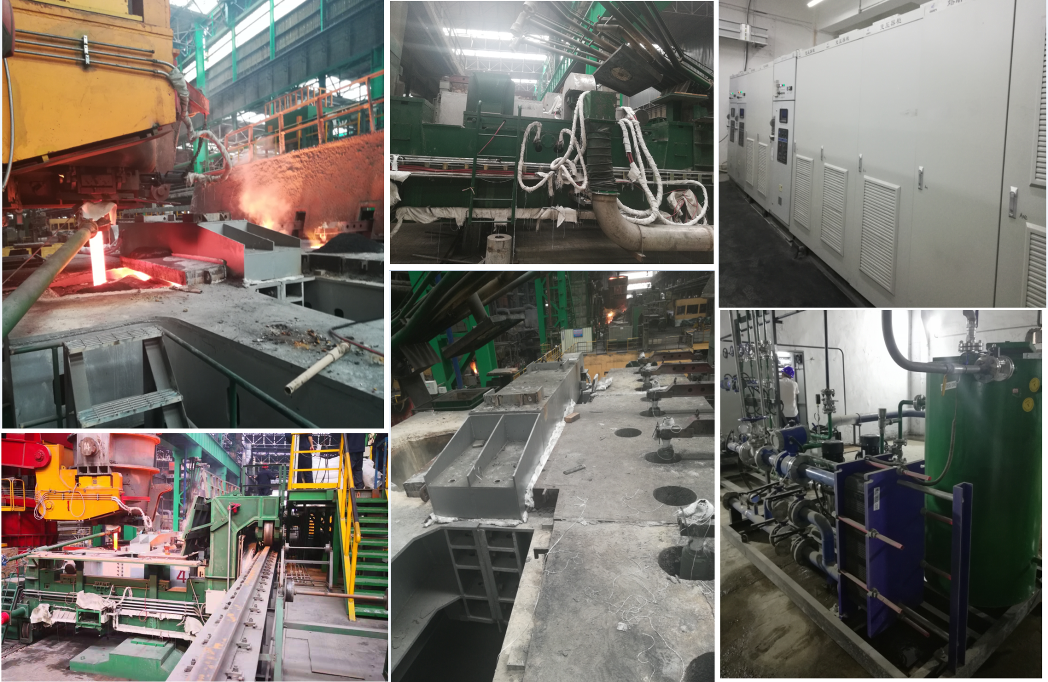
A finalized industrial electromagnet control system acts as a sum of its parts. If a single sub-component faces a supply shortage, your entire project halts. You must deconstruct the supplier's timeline to identify potential bottlenecks early.
The core of any electromagnet relies on copper and electrical steel. These specific commodities fluctuate wildly in global markets. Suppliers face their own procurement challenges when buying raw metals. During volatile pricing periods, factories often demand higher MOQs from you to justify their bulk raw material purchases. They cannot risk ordering expensive copper wire for a small batch run. Recognizing this market dynamic helps you understand why small orders often get delayed or rejected outright.
Modern control panels rely heavily on sophisticated electronics. These parts frequently suffer from independent supply chain delays.
Common Component Lead Time Reference Chart
| Component Category | Standard Lead Time | Custom/Specialized Lead Time | MOQ Impact |
|---|---|---|---|
| Standard Enclosures | 1-2 Weeks | 4-6 Weeks | Low |
| Copper Windings/Coils | 2-3 Weeks | 6-8 Weeks | High |
| High-Capacity Rectifiers | 4-6 Weeks | 8-12 Weeks | High |
| Specialized PCBs | 3-4 Weeks | 6-10 Weeks | Medium |
Quality assurance takes time. You must factor in dedicated schedules for burn-in testing, heavy load testing, and comprehensive software debugging. Skipping or rushing the Factory Acceptance Testing (FAT) phase simply to shorten lead times introduces severe operational failure risks. A poorly tested panel might arrive a week early, but it will cost you months of downtime if it fails on the factory floor.
Purchasing teams hate excess inventory, while manufacturers hate small production runs. You can bridge this gap through strategic negotiation and intelligent contract structuring.
Suppliers set minimum order quantities for logical, structural reasons. They need to offset CNC setup times, PCB tooling costs, and general engineering overhead. Configuring a production line for a custom run takes significant labor. If you only order two units, the supplier loses money on the setup time. Acknowledging this economic reality gives you better leverage during negotiations.
You can deploy several proven tactics to satisfy factory requirements without cramming your warehouse full of unneeded panels.
Expect a distinct transition between prototyping and batch production. Prototyping typically carries a premium unit price but requires no MOQ. You pay extra for the engineering attention and manual assembly. However, transitioning to full batch production triggers standard MOQ rules. Plan your budget to absorb higher prototype costs early, knowing the unit price will drop substantially once volume scaling begins.
Your project timeline relies entirely on your supplier's competence. Partnering with a weak manufacturer guarantees missed deadlines and frustrating communication gaps. You must audit their capabilities aggressively.
Investigate how much of the system the factory actually builds. Does the industrial electromagnet control system supplier wind their own coils and fabricate their own metal panels? Or do they act merely as an assembler reliant on third-party components? High reliance on outside vendors increases lead time volatility. A vertically integrated supplier controls their own destiny, which ultimately protects your delivery schedule.
A reliable supplier provides crystal-clear documentation. Demand a transparent Gantt chart or a detailed Bill of Materials (BOM) breakdown before issuing the PO. They should quickly identify exactly which sub-components dictate the critical path. If a supplier refuses to share BOM details or gives vague delivery estimates, consider it a major red flag.
Never assume compliance. You must verify it through rigorous auditing.
Think long-term. Assess if the supplier possesses the manufacturing bandwidth to handle a sudden volume increase. If your company lands a major contract and needs to increase the order volume by 5x, can the supplier handle it? They should accommodate volume spikes without exponentially increasing the lead time. Ask about their maximum monthly capacity during the initial vetting phase.
Even the best-planned procurement strategies encounter real-world friction. Building intelligent buffers into your timeline prevents minor delays from causing major operational disasters.
Never base your entire production timeline on the anticipated delivery of the very first prototype. First articles rarely perform perfectly out of the box. Anticipate a two to four-week revision loop after testing the initial unit. You will likely find minor software bugs, thermal issues, or spatial constraints. Planning for this revision cycle keeps your broader project timeline intact.
International sourcing introduces complex logistics variables. A finished unit sitting on a loading dock helps no one. Add reliable buffer times for customs clearance, port congestion, and freight forwarding transitions. Familiarize yourself with the exact HS codes required for importing a heavy-duty lifting electromagnet to prevent arbitrary customs holds. Utilize trusted freight forwarders who specialize in heavy industrial equipment.
Effective procurement of industrial electromagnet systems relies entirely on mastering the trade-off between customization, production volume, and time. Every unique specification you add directly impacts factory setup times and raw material sourcing. By standardizing components wherever possible, you strip away unnecessary delays. Partnering with a vertically integrated, highly transparent supplier eliminates supply chain blind spots.
We highly recommend utilizing strategic purchasing agreements, such as Blanket Purchase Orders, as your primary negotiation tool. These contracts satisfy factory MOQ requirements while effectively mitigating your own inventory and lead-time risks. Implement these structured strategies immediately to secure your supply chain, protect your capital, and ensure your heavy industrial operations never face unnecessary downtime.
A: A fully custom control system typically requires 8 to 12 weeks for delivery. This timeline accounts for specialized engineering, custom PCB fabrication, and comprehensive factory acceptance testing. Standard, off-the-shelf units often ship within 2 to 4 weeks.
A: You can negotiate lower MOQs by utilizing Blanket Purchase Orders (BPOs). This allows you to commit to a larger total volume but schedule smaller deliveries over 12 months. Alternatively, offer to pay the initial engineering and tooling costs upfront.
A: These features require specialized sub-components like active cooling units, custom heat sinks, and fail-safe relays. Sourcing these specific parts adds several weeks to the timeline. They also require additional software programming and rigorous validation testing before deployment.
A: Yes. Sourcing both from a single vertically integrated supplier ensures perfect electrical compatibility. It eliminates integration bugs, streamlines the warranty process, and typically reduces the overall procurement lead time since components are tested together natively.
A: Electromagnets rely heavily on copper wire and electrical steel. When global shortages occur, factories prioritize large-volume buyers. To secure bulk materials, suppliers often increase their MOQs, directly impacting your ability to place small prototype orders.