Views: 0 Author: Site Editor Publish Time: 2026-09-22 Origin: Site


Inadequate tramp metal removal leads directly to catastrophic downstream equipment failure. It also causes product contamination and costly facility downtime. Every plant manager understands these severe operational stakes. While standard off-the-shelf magnetic separators fit roughly 80% of industrial applications, forcing a basic unit into a complex environment introduces severe risk. We need to look closely at these hidden dangers. This article provides an objective, engineering-focused framework for better decision-making. You will learn how to determine when the upfront cost and extended lead time of a custom-built unit are truly justified by long-term operational security. We will guide you through application constraints, specification mapping, and supplier vetting. Armed with this knowledge, you can protect your facility effectively.
Defining the baseline success criteria helps you understand standard equipment limits. A standard electromagnetic separator performs exceptionally well under ideal conditions. These conditions typically include predictable burden depths and standard belt widths. Ambient temperatures must also remain stable and cool. In these perfect setups, standard units capture stray metal efficiently. They keep crushers and shredders safe from sudden impacts. However, industrial reality rarely matches these ideal test parameters perfectly.
The cost of under-specification severely damages facility profitability. Adapting a standard unit to a complex setup creates hidden dangers everywhere. We often observe frequent coil burnouts when standard magnets face high industrial heat. The insulation inside the coil degrades rapidly. Furthermore, missed tramp iron slips past weak magnetic fields easily. This stray metal then destroys expensive downstream processing machinery. Safety compliance also drops significantly if enclosures cannot contain internal electrical faults. The financial impact of a single shredded crusher far outweighs any initial savings from buying a cheaper magnet.
You must shift your perspective toward long-term operational returns and zero-failure protection. Customization prevents massive mechanical losses. It changes capital expenditure from a simple purchase into a strategic reliability investment. When you invest in a custom unit, you dramatically reduce ongoing maintenance interventions. Your maintenance team spends less time fixing burnt coils. You also guarantee absolute downstream protection for vulnerable equipment. A bespoke design directly matches your exact conveyor geometry and material flow.
Abnormal conveyor geometries and excessive belt speeds frequently ruin standard separation efforts. Modern processing plants push material faster than ever before. Standard units fail rapidly when belt speeds exceed normal feet-per-minute (FPM) limits. The magnetic field simply lacks the exposure time necessary to capture fast-moving tramp metal. As material races by, heavy iron pieces remain trapped inside the product stream. To combat this, engineers must design custom pole pieces. These specialized pole pieces project the magnetic field differently. They accommodate non-standard troughed belts perfectly. This ensures maximum magnetic reach across the entire belt width.
Extreme burden depths pose another critical challenge for standard magnets. Magnetic reach diminishes exponentially as distance from the magnet face increases. This drop-off represents a fundamental law of physics regarding magnetic flux lines. Standard Gauss or Tesla ratings fall short when testing them at a distance. Custom coil configurations become strictly necessary here. They generate deep, penetrating magnetic fields required for dense materials. Consider heavy mined ores or compacted aggregate streams. These dense materials act as physical shields. They hold tramp iron down forcefully against the conveyor belt. Only a custom-wound electromagnet provides the sheer brute force needed to pull iron through heavy rock.
Severe operating environments destroy standard electrical equipment without mercy. High ambient heat degrades electromagnet performance rapidly by increasing coil resistance. Hazardous or explosive dust environments require specific ATEX or OSHA compliance enclosures. A standard enclosure might spark and ignite airborne combustible dust. Highly corrosive atmospheres in chemical plants eat away standard steel housings quickly. We must deploy custom cooling and casing systems for these harsh areas. Advanced oil-cooled designs or forced-air systems prevent thermal degradation of the electromagnet core. They keep the magnet running strong, even inside a scorching foundry environment.
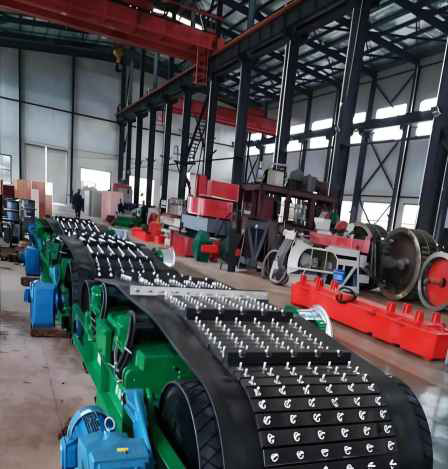
Mapping features to specific operational outcomes ensures a successful custom build. You must translate your operational problems into precise technical metrics for engineers. Vague requests lead directly to poorly optimized designs. If you simply ask for a "strong magnet," engineers cannot determine the exact coil parameters needed. You must provide concrete data about your material flow, climate, and structural limits. This detailed mapping ensures the final design solves your specific site challenges.
Defining core metrics accurately is non-negotiable for custom projects. Gather these specific data points before contacting a manufacturer:
You must clearly define your application boundaries to avoid catastrophic misunderstandings. Distinguish your application from other magnetic technologies early in the conversation. Ensure suppliers understand you need precise tramp metal extraction from a dry burden. You are not looking for an electromagnetic stirrer used for molten metal mixing. A stirrer requires entirely different Lorentz force engineering to move liquid aluminum or steel. Separators merely lift stationary ferrous objects upward. Mixing up these technologies wastes valuable engineering time.
Power supply and system integration require careful custom planning. Custom control panels and specialized rectifiers keep the electromagnet functioning optimally. They manage voltage drops and power surges effectively. We integrate these custom panels directly with your existing plant PLCs. This seamless integration enables predictive maintenance monitoring across your network. Plant operators receive real-time performance alerts directly in the central control room. They can monitor coil temperature and power consumption simultaneously.
Evaluating heavy-duty standard units often saves considerable time and money. Sometimes, a high-spec standard unit bridges the operational gap perfectly. You do not always need a fully custom prototype. For instance, robust standard series offer continuous tramp iron removal out of the box. They feature integrated cooling mechanisms and heavy manganese armor plates. Ask yourself if standard modifications to a heavy-duty series might suffice. Adjusting the mounting brackets or upgrading the electrical enclosure might solve your problem completely.
Exploring the semi-custom approach provides a strong middle ground. Modular upgrades save both engineering costs and long lead times. You might combine a standard off-the-shelf coil with a custom-built suspension frame. You can also add specialized heat-resistant belting to a standard self-cleaning unit. This semi-custom strategy delivers 90% of the benefits of a fully bespoke system. It drastically reduces the wait time associated with custom coil winding.
A straightforward risk assessment framework helps you decide between a modified standard and a fully custom unit. You must evaluate if a modified standard unit introduces unacceptable compromises. Consider efficiency drops or minor safety risks. Use a structured matrix to weigh these factors objectively.
Risk Assessment: Modified Standard vs. Fully Custom
| Evaluation Metric | Modified Standard Unit | Fully Custom Engineered Unit |
|---|---|---|
| Lead Time | Usually 4 to 8 weeks | Typically 12 to 20 weeks |
| Engineering Complexity | Low (Pre-tested core components) | High (Requires FEA and prototyping) |
| Deep Burden Penetration | Moderate (Limited by standard coil) | Maximum (Optimized flux projection) |
| Harsh Environment Resilience | Adequate (Standard upgraded enclosures) | Superior (Purpose-built thermal management) |
Evaluating engineering and simulation capabilities prevents costly design failures. Look for suppliers who utilize 3D magnetic field modeling. Finite Element Analysis (FEA) is absolutely crucial for custom designs. Competent engineers use FEA software to prove the magnetic design virtually. They simulate how the magnetic flux lines interact with your specific burden depth. They do this long before manufacturing begins. This virtual testing ensures the final product delivers the promised extraction strength.
Demand transparent prototyping and comprehensive material testing. A reliable partner always requests a physical sample of your actual bulk material. They test the material's magnetic susceptibility in their own laboratory. They also measure burden resistance firsthand. Heavy, wet clay behaves very differently than dry crushed concrete. This physical testing prevents theoretical design errors from becoming practical on-site failures.
Assess implementation realities and installation requirements candidly. Discuss custom lead times openly with your chosen supplier. Custom builds often take 12 to 20 weeks from drawing approval to final delivery. Custom coil winding and specialized enclosure fabrication extend timelines significantly. Verify your structural installation footprint requirements early. A custom high-intensity magnet might weigh twice as much as your existing permanent magnet. Your conveyor structure might need substantial steel reinforcement.
Focus heavily on post-installation service and equipment longevity. Verify your direct access to custom spare parts. Check if the supplier offers local coil rewinding services for emergencies. Request comprehensive maintenance documentation before signing the final contract. A custom machine is useless if nobody knows how to service its proprietary cooling system. Ensure the supplier provides detailed electrical schematics and preventative maintenance schedules.
Requesting a custom unit represents a strategic investment in facility uptime and worker safety. It is never a luxury when dealing with severe operational parameters. Relying on inadequate standard equipment guarantees eventual failure and costly production halts.
Follow a strict evaluation funnel for your next project. Assess the harshness of your environment first. Define your exact physical and electrical specifications next. Always try to rule out heavy-duty standard alternatives before committing to a custom build. Finally, vet specialized engineering partners based on their simulation and testing capabilities.
Take action to protect your processing machinery today. Encourage your plant engineers and procurement managers to request a thorough material audit. Schedule a detailed magnetic field consultation with technical sales experts. Optimizing your extraction process secures your entire production line for years to come.
A: A custom unit typically costs 20% to 50% more than a standard model. This premium covers complex engineering hours, specialized coil winding, and custom enclosure fabrication. However, this upfront investment is rapidly offset by preventing catastrophic downstream machinery failure and eliminating unscheduled downtime.
A: You should expect a lead time of 12 to 20 weeks for a fully custom design. Designing proprietary cooling systems, winding heavy-duty custom coils, and securing specialized ATEX enclosures extend manufacturing timelines significantly beyond standard off-the-shelf options.
A: Yes, but it requires careful structural planning. Custom electromagnets generally weigh substantially more than permanent magnets. You must verify your existing conveyor structure can support the heavier payload. You also need to install dedicated power infrastructure and custom control rectifiers.
A: Collect exact measurements for your conveyor belt width, belt speed, and maximum burden depth. Document the bulk material density and moisture content. Finally, confirm your available power supply voltage and list the specific sizes of tramp metal you need to capture.