Views: 0 Author: Site Editor Publish Time: 2026-01-22 Origin: Site


An Electromagnetic Stirrer (EMS) is a vital component in modern metallurgy and material processing industries. It plays an essential role in enhancing production quality, improving efficiency, and reducing operational costs. By utilizing electromagnetic forces, EMS eliminates the need for physical contact, providing a highly effective, reliable, and energy-efficient solution for stirring molten metals. This article explores the function, benefits, and applications of the Electromagnetic Stirrer, and how it is revolutionizing the manufacturing process.
The implementation of EMS is integral to the evolution of industrial processes where precision and consistency are key to improving product quality. The device has become indispensable in manufacturing plants where high-quality products and optimized processes are a priority. Beyond its operational advantages, EMS also aligns with industry trends towards automation, sustainability, and resource efficiency.
An Electromagnetic Stirrer is a device that uses electromagnetic forces to stir molten metal, ensuring uniform temperature distribution, consistent solidification, and improved alloy quality. Unlike traditional mechanical stirring systems, which rely on physical contact, the Electromagnetic Stirrer works by generating a rotating magnetic field that induces motion in the metal, resulting in stirring action without any moving parts.
Magnetic Field: The core component of an EMS system is the magnetic field created by coils that generate an alternating current (AC). The magnetic field is strategically designed to generate a specific electromagnetic force within the molten metal, ensuring effective stirring and temperature control.
Coils: These coils are placed in the vicinity of the molten metal and are responsible for generating the electromagnetic force. The size, material, and configuration of the coils are critical in determining the efficiency of the stirring process.
Control System: A sophisticated control system manages the intensity, frequency, and direction of the electromagnetic field, allowing for precise stirring control. This ensures that the stirring process can be adapted to different metal types and production conditions, increasing its versatility.
EMS operates on the principle of electromagnetic induction, where the interaction between the electric current in the coils and the conductive molten metal generates an electromagnetic force. This force induces motion within the molten metal, leading to uniform stirring without physical agitation. The strength of the stirring action can be adjusted depending on the requirements of the casting process, providing flexibility for different types of materials and casting parameters.
The ability to stir without direct mechanical contact also reduces the risk of contamination in the metal, ensuring that the final product maintains its purity and desired chemical composition.
In steelmaking, the Electromagnetic Stirrer plays a critical role in ensuring the quality of steel by improving the uniformity of temperature and reducing casting defects. During the continuous casting process, EMS helps prevent common issues such as:
Segregation: Variations in alloy composition that can lead to non-homogeneous material properties.
Porosity: Air pockets trapped within the solidifying metal, which can significantly weaken the structural integrity of the material.
Inclusions: Foreign particles within the metal that can cause cracks, weaken the metal, or interfere with subsequent processing steps.
By improving temperature and flow control, EMS ensures a higher quality end product with fewer defects, leading to improved efficiency in steel production. The precise control over the cooling rate and temperature ensures a consistent structure, which in turn improves the overall performance of the steel in its final application.
The continuous casting process is highly sensitive to temperature gradients and cooling rates. EMS provides uniform stirring, helping to avoid temperature imbalances that can lead to inconsistent solidification. It ensures that the steel maintains a consistent structure, allowing for more efficient casting speeds and reducing the risk of cracks and imperfections. This is particularly important in industries where the consistency of the product is crucial for downstream processes such as rolling or forging.
The reduction of defects like internal porosity and segregation contributes significantly to the mechanical properties of the final product, improving its strength, durability, and overall performance.
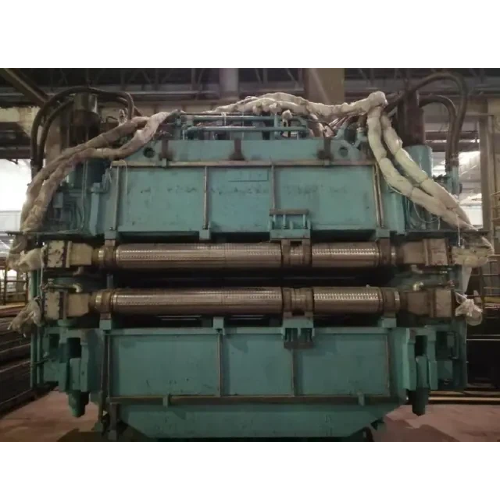
One of the key benefits of EMS is its ability to significantly improve the material properties of the final product. By providing uniform stirring, EMS helps to:
Reduce porosity: Minimizing air pockets trapped in the metal, which can weaken the material and cause failures during use.
Improve structural integrity: Reducing defects such as cracks and internal voids that compromise strength, allowing for more reliable performance.
Enhance alloy consistency: Ensuring that the alloy composition remains consistent across the casting, leading to more predictable mechanical properties.
With EMS, manufacturers are able to produce materials that are stronger, more durable, and exhibit superior mechanical properties, making them more suitable for demanding applications such as automotive, aerospace, and heavy machinery components.
EMS not only improves material quality but also enhances production efficiency. By ensuring a uniform cooling process and faster solidification, EMS can:
Increase casting speed without sacrificing quality, allowing manufacturers to meet higher production demands.
Reduce downtime caused by defects or inefficient processes, ensuring a smoother production cycle.
Streamline the manufacturing process, enabling manufacturers to meet higher demand with lower costs. The improved consistency of the products also reduces the need for reprocessing or corrective actions, further enhancing efficiency.
The automation and precision provided by EMS systems reduce human error and variability, improving overall process control.
In modern manufacturing, reducing environmental impact is increasingly important. EMS contributes to more energy-efficient processes, as it reduces the need for mechanical parts and energy-intensive machinery. Additionally, the reduced need for maintenance and fewer defective products help in reducing material waste, further promoting environmentally friendly practices.
By optimizing the casting process and reducing energy consumption, EMS helps companies meet sustainability goals while improving operational performance. This makes EMS an essential part of environmentally conscious manufacturing.
With its reduced maintenance needs and energy-efficient operation, EMS offers long-term cost savings. By reducing the number of defective products and improving operational efficiency, EMS helps companies achieve a quicker return on investment (ROI). Additionally, the longevity of the equipment, combined with its low maintenance requirements, ensures that the EMS system remains a cost-effective solution over time.
The cost savings achieved through EMS make it a wise investment for companies looking to reduce operational expenses while maintaining high product quality.
The quality of the casting is significantly impacted by the temperature uniformity and flow consistency in the molten metal. EMS works by:
Ensuring uniform temperature distribution: The continuous stirring prevents localized overheating or cooling, which can cause cracks or inclusions in the final product.
Controlling the cooling rate: By regulating the stirring action, EMS helps control the rate at which the molten metal solidifies, preventing issues like shrinkage porosity or internal defects. The uniform cooling process also ensures that the product maintains consistent mechanical properties throughout.
The ability to control these factors leads to higher-quality materials with fewer defects and greater reliability.
The key to achieving high-quality metal is to ensure that the fluid flow remains uniform during casting. EMS enhances the flow of molten metal by:
Inducing continuous motion in the molten metal, promoting even cooling. This constant movement helps prevent the formation of solidified layers that could cause defects.
Preventing stagnant zones in the molten metal, which could lead to uneven cooling and casting defects. The uniform flow ensures that the material is processed evenly, improving the overall quality of the casting.
Modern EMS systems use advanced control systems to manipulate the electromagnetic field. These systems allow for:
Precise control over the stirring intensity and frequency, enabling adjustments for different alloys and casting conditions.
Adaptation to different molten metals and alloys, optimizing the stirring effect based on the material's unique properties.
Customization for different casting processes, ensuring that the system is always tuned for maximum performance. This flexibility allows manufacturers to adjust the system for optimal performance with different types of metals and alloys.
Feature | Electromagnetic Stirrer | Traditional Mechanical Stirring |
Efficiency | High efficiency, continuous control | Lower efficiency, mechanical limitations |
Maintenance | Low maintenance, no moving parts | High maintenance, wear and tear |
Precision | Precise control over stirring action | Less precise, often inconsistent |
Energy Consumption | More energy-efficient | Generally more energy-intensive |
Flexibility | Can be adjusted for different alloys | Less flexible, specific to certain metals |
Environmental Impact | Reduced waste and energy use | Higher material waste and energy consumption |
Electromagnetic stirring technology is continuously evolving, with improvements aimed at increasing efficiency, precision, and energy savings. Some of the notable trends include:
Integration with Industry 4.0: Future EMS systems will be part of smart manufacturing solutions, offering real-time monitoring and remote control via IoT (Internet of Things) integration.
Enhanced magnetic field control: Advancements in magnetic field simulation and control algorithms will make it possible to achieve even more precise and adaptable stirring actions.
Sustainability focus: As industries aim to become greener, the next generation of EMS systems will further reduce their carbon footprint by optimizing energy use and reducing metal waste.
The continued development of EMS technology promises to enhance its capabilities, making it an even more valuable tool for manufacturers seeking to improve product quality and efficiency.
The Electromagnetic Stirrer (EMS) is revolutionizing the metal processing industry by offering precise control over the casting process. With its ability to stir molten metals without physical contact, EMS enhances material properties, increases production efficiency, and significantly reduces operational costs. This breakthrough technology is becoming an indispensable tool in industries such as steelmaking, aluminum processing, and other non-ferrous metal applications. It is driving the future of smart, energy-efficient manufacturing.
At Hunan Zhongke Electric Co., Ltd., we specialize in providing advanced EMS solutions that optimize your production processes. Our expertise and cutting-edge technology ensure improved product quality, reduced defects, and enhanced overall efficiency. Whether you are looking to improve your casting process or explore more energy-efficient methods, we offer tailored solutions to meet your needs. Feel free to reach out to us for more information or to discuss how our products can benefit your business. Our team is dedicated to helping you achieve the highest standards in manufacturing with innovative and reliable solutions.
1. What industries benefit from Electromagnetic Stirrers?
Electromagnetic Stirrers are widely used in the steelmaking, aluminum, and non-ferrous metallurgy industries, as well as in advanced manufacturing processes requiring precise metal treatment.
2. How does an Electromagnetic Stirrer improve casting quality?
It ensures a uniform temperature distribution and consistent solidification, reducing defects like segregation, and improving the mechanical properties of the final product.
3. Is Electromagnetic Stirring energy-efficient?
Yes, EMS systems are more energy-efficient compared to traditional mechanical stirring systems due to their precise control and reduced need for maintenance.
4. How long does an Electromagnetic Stirrer last?
With proper maintenance, an Electromagnetic Stirrer can last for many years. The system is designed to have minimal wear and tear, making it highly durable in industrial environments.
5. Can an Electromagnetic Stirrer be used in other industries besides metallurgy?
While most common in metallurgy, EMS technology is also used in applications requiring fluid control and mixing in other sectors, such as chemical processing and advanced material production.