Views: 0 Author: Site Editor Publish Time: 2026-01-23 Origin: Site


Lifting electromagnets have revolutionized the way materials are handled in various industries. By utilizing the power of electromagnetism, they provide a safe, efficient, and versatile solution for lifting and transporting heavy materials. In this article, we will dive deep into the functionality of lifting electromagnets, how they work, their advantages, and much more.
Lifting electromagnets are powerful industrial tools designed to lift and move ferromagnetic materials, such as steel, iron, and other metals. Unlike traditional mechanical lifting systems, lifting electromagnets use electrical energy to generate a magnetic field strong enough to attract and hold these materials, making the process of handling them much faster, safer, and more efficient.
The core components that make up a lifting electromagnet include:
Coil: This is a key element that conducts electricity and generates a magnetic field when powered. The coil is made of copper or aluminum wire, which is wound tightly to maximize the magnetic field strength.
Magnetic Core: Typically made of a soft ferromagnetic material, such as laminated steel, the core amplifies the magnetic field generated by the coil. The core is designed to concentrate the magnetic flux in the most efficient way possible.
Power Supply: Provides the necessary electrical current to energize the coil and generate the magnetic field. The power supply is critical for ensuring the electromagnet’s performance and the ability to control the lifting force.
Switch: A mechanism to control the on/off functionality of the electromagnet. This can be a manual or automatic switch, depending on the system's design. The switch allows the operator to engage or disengage the magnetic field with precision.
These components work together to create a lifting electromagnet that can hold heavy materials by generating a strong magnetic force when energized.
Lifting electromagnets operate based on the fundamental principles of electromagnetism. The interaction between electric current and magnetic fields allows for the lifting of heavy ferromagnetic materials without the need for mechanical gripping tools. Below is a step-by-step breakdown of how lifting electromagnets work.
The operation of a lifting electromagnet is based on electromagnetic induction. When an electrical current passes through the coil of wire, it generates a magnetic field. This magnetic field attracts ferromagnetic materials, such as steel, and holds them in place until the current is turned off, deactivating the magnetic field.
When current flows through the coil, it generates a magnetic field that magnetizes the magnetic core. This magnetic field extends outside the electromagnet, attracting ferromagnetic materials within its range. The strength of this magnetic field depends on several factors:
Number of Coil Windings: The more windings of wire in the coil, the stronger the magnetic field produced. A larger number of turns increases the electromagnet's lifting capacity.
Current Flow: The greater the current passing through the coil, the stronger the generated magnetic field. This allows for lifting heavier materials.
Magnetic Permeability of the Core: Materials with high magnetic permeability, such as soft iron, enhance the magnetic field's strength. These materials allow the magnetic flux to pass through them more easily, improving the overall efficiency of the electromagnet.
The magnetic field's strength allows it to attract and hold ferromagnetic materials. The lifting electromagnet can easily lift heavy steel plates, bars, or other items by simply applying a controlled electric current to the coil.
In lifting electromagnets, the coil is wound tightly around a ferromagnetic core, typically made of laminated steel to reduce energy loss. When electricity flows through the coil, the resulting magnetic field magnetizes the core and extends outward. The strength of the magnetic field depends on:
Coil Resistance: The more turns of wire in the coil, the stronger the magnetic field. Each additional winding increases the electromagnet's effectiveness by enhancing the magnetic flux.
Current Flow: The greater the current passing through the coil, the stronger the generated magnetic field. The ability to adjust the current flow allows for precise control of the lifting force.
Magnetic Permeability of the Core: Materials with high magnetic permeability, such as soft iron, are used for the core to amplify the magnetic field. These materials are specifically chosen to maximize the efficiency of the electromagnet.
The magnetic field’s strength and reach are critical for determining the electromagnet’s lifting capacity. The greater the strength of the magnetic field, the heavier the materials it can lift and the larger the area it can cover.
One of the key features of lifting electromagnets is their ability to be turned on and off easily. The magnetic field strength can be controlled by adjusting the current supplied to the coil. This is achieved through a switching mechanism connected to the power supply.
By turning the current flow on or off, the magnetic field can be activated or deactivated. The electromagnet "attracts" the material when the current is on and releases it when the current is off. This switching capability makes lifting electromagnets highly efficient, as they can be quickly engaged and disengaged for lifting and releasing materials.
When the current is turned off, the magnetic field dissipates, and the materials are no longer held by the electromagnet. This allows for a simple and effective means of controlling the lifting and release process. The ability to control the on/off state provides flexibility in material handling operations, reducing the risk of material damage and improving safety in the workplace.
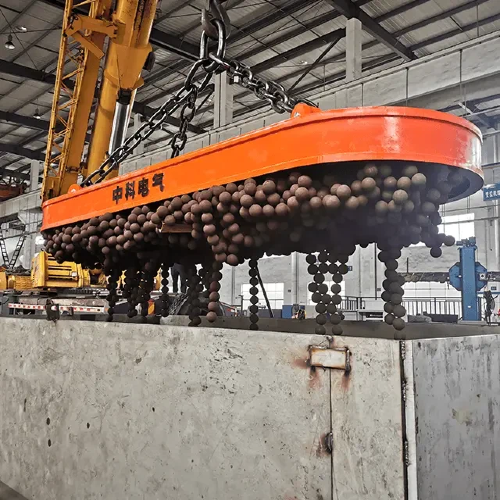
Lifting electromagnets offer several significant advantages over traditional mechanical lifting systems. These benefits make them a preferred choice for handling heavy materials in industries like steel production, scrap yards, and warehouse management.
Lifting electromagnets significantly increase the speed and efficiency of material handling. They can lift multiple items simultaneously, and materials can be quickly and easily transported, saving both time and labor costs. Traditional lifting methods often require manual effort, which can slow down the process and increase the risk of injury. Additionally, the electromagnet’s ability to quickly release materials enhances overall throughput and reduces operational downtime.
With the continuous advancement of technology, lifting electromagnets are becoming more powerful and versatile. Their ability to handle various materials with minimal effort contributes to an overall boost in operational efficiency.
Using lifting electromagnets reduces the need for manual handling of heavy materials, thus improving safety. The electromagnetic force holds the materials securely in place, reducing the risk of items falling or causing accidents. Furthermore, there is no need for physical contact with the materials, minimizing exposure to hazardous situations. The reliable operation of lifting electromagnets ensures that materials are lifted with greater control and precision, enhancing worker safety and minimizing workplace injuries.
Lifting electromagnets also eliminate the risk of human error, which is common with manual lifting methods. With accurate control over the lifting and releasing process, operators can confidently handle heavy materials without concern for safety issues.
Lifting electromagnets are incredibly versatile. They can be used to lift a wide range of materials, including steel plates, coils, scrap metal, and more. Whether it’s lifting a single heavy item or handling multiple smaller items at once, lifting electromagnets can adapt to various industrial applications. The ability to lift materials of different shapes and sizes with ease makes lifting electromagnets ideal for industries that handle diverse types of heavy materials.
Moreover, electromagnets can be adapted for use in different environments, from high-temperature settings in steel mills to more controlled environments in warehouses and factories. Their versatility ensures they are suitable for a wide range of applications across multiple sectors.
Lifting electromagnets have a broad range of applications in industries where heavy lifting and material handling are essential. Here are some key areas where lifting electromagnets are commonly used:
Industry | Application |
Steel Manufacturing | Lifting steel plates, beams, coils, and scrap metal during production and processing. |
Recycling | Lifting scrap metal, old machinery, and other ferromagnetic materials in recycling yards. |
Shipping and Warehousing | Efficiently handling steel products, containers, and other heavy metallic items in ports and warehouses. |
Construction | Transporting steel beams, reinforcing bars, and other metal materials to construction sites. |
Lifting electromagnets are especially valuable in environments where large amounts of heavy material need to be moved quickly and safely, such as in steel mills, scrap yards, and ports. Their high lifting capacity and quick release function make them indispensable for industries that rely on heavy metal handling.
To ensure that lifting electromagnets operate at peak performance, regular maintenance is essential. The following are some maintenance tips and guidelines for keeping electromagnets in optimal working condition.
Inspection of the Coil and Power Supply: Ensure that the coil is free of damage and the power supply is functioning properly. Check for any signs of wear and tear or corrosion, particularly in the electrical components. Over time, the coil insulation may degrade, and the power supply may show signs of malfunction, requiring immediate attention.
Magnetic Core Maintenance: Regularly inspect the magnetic core for any signs of damage, such as cracks or rust. This can affect the overall performance of the electromagnet. A damaged core may lead to a weakened magnetic field, reducing the electromagnet's lifting capacity.
Cleaning: Dust, dirt, and metal particles can accumulate on the electromagnet over time. Regular cleaning helps to maintain optimal performance and prevent any issues related to debris interference. Special care should be taken to clean the coil, core, and surrounding components to ensure smooth operation.
Lubrication: For moving parts, such as switches and control mechanisms, ensure they are adequately lubricated to prevent friction and wear. Lubrication reduces the risk of mechanical failure and prolongs the electromagnet's life.
When properly maintained, lifting electromagnets can last for many years. The key to maximizing their lifespan is routine inspection and care, as well as addressing any potential issues promptly to avoid further damage. A well-maintained electromagnet will perform consistently and efficiently, providing long-term value to the organization.
Lifting electromagnets are essential in modern industrial operations, offering efficient, safe, and versatile solutions for handling ferromagnetic materials. By harnessing the power of electromagnetism, they have revolutionized industries such as steel production, recycling, and construction, significantly improving material handling processes. This not only boosts productivity but also reduces safety risks associated with manual lifting methods.
At Hunan Zhongke Electric Co., Ltd., we specialize in providing high-performance lifting electromagnets designed to meet the demands of diverse industrial environments. Our products are built for durability and reliability, ensuring long-term performance with minimal maintenance. Whether you're in need of efficient steel handling solutions or seeking to improve your material lifting capabilities, we offer tailored solutions to meet your specific needs.
For more information on how our lifting electromagnets can enhance your operations, or if you'd like to discuss your requirements with our team, please feel free to reach out to us. We're committed to delivering the highest quality products and solutions to support your business.
Lifting electromagnets are made of copper wire coils, a magnetic core (usually soft ferromagnetic material), and a durable outer casing to protect the internal components and withstand the operational environment.
No, lifting electromagnets can only lift ferromagnetic materials like steel, iron, and other metals. They do not have the capability to lift non-metallic materials.
The lifting power of an electromagnet is controlled by adjusting the electrical current passing through the coil. A higher current generates a stronger magnetic field, allowing the electromagnet to lift heavier materials.
Yes, lifting electromagnets are designed to operate in various harsh industrial environments, including high temperatures, dusty conditions, and areas with heavy metal handling requirements.
With proper maintenance, lifting electromagnets can last for many years. Regular inspections and upkeep are necessary to ensure they continue to perform at their best.