Views: 0 Author: Site Editor Publish Time: 2026-09-26 Origin: Site


Unscheduled downtime in continuous casting operations carries severe financial penalties. For metallurgical plants, magnetic system reliability dictates yield consistency. It directly prevents catastrophic breakouts. The reality of operational longevity for these assets is defined not by the initial purchase, but by the rigor of daily maintenance. Thermal stress, magnetic vibration, and harsh operational environments inevitably degrade system components over time. Without proper care, performance drops rapidly.
This guide breaks down the core maintenance cycles you need. It details troubleshooting frameworks and baseline criteria required to keep critical magnetic systems operating within strict tolerances. You will learn how to structure your daily checks and manage annual overhauls. We will also explore how equipment interoperability impacts your maintenance schedules. Ultimately, these strategies ensure verifiable operational success and maximize your return on investment.
Cooling is Critical: Over 60% of premature coil failures stem from degraded cooling water quality and flow restrictions.
Cycles Prevent Failures: Implementing rigid daily (visual/flow), monthly (electrical), and annual (structural) inspection checklists is mandatory for continuous operation.
Specs Dictate Schedules: Adhering strictly to casting electromagnetic equipment specifications prevents thermal and electrical overloads that accelerate component wear.
Supplier SLAs Matter: Long-term uptime relies heavily on choosing a casting electromagnetic equipment supplier that provides robust post-sale diagnostics and rapid spare parts availability.
Moving from break-fix reactions to continuous monitoring changes everything. Modern steel plants employ predictive strategies. They use thermal imaging and vibration analysis. This proactive approach identifies failing components before they halt production. To properly maintain casting electromagnetic equipment, you must categorize your maintenance protocols. We isolate these tasks into three distinct systems.
Electrical Systems: This encompasses the power supply, low-frequency inverters, and thyristors. You must monitor current stability and voltage fluctuations.
Magnetic and Structural Systems: This includes copper coils, iron yokes, and epoxy insulation. Physical integrity is paramount here.
Cooling Systems: This covers demineralized water circuits, flow meters, and heat exchangers. Proper cooling dictates the survival of the entire unit.
Structured upkeep drastically reduces insulation breakdown probability. It maintains optimal metallurgical stirring performance. When you keep cooling circuits pristine, coils survive longer. When you monitor electrical loads closely, thyristors perform efficiently. Risk mitigation relies entirely on consistency. A missed cooling check today often becomes a cracked coil tomorrow.
Ignoring minor water leaks near the terminal boxes.
Delaying insulation resistance tests during scheduled downtime.
Using untreated plant water instead of strictly demineralized water.
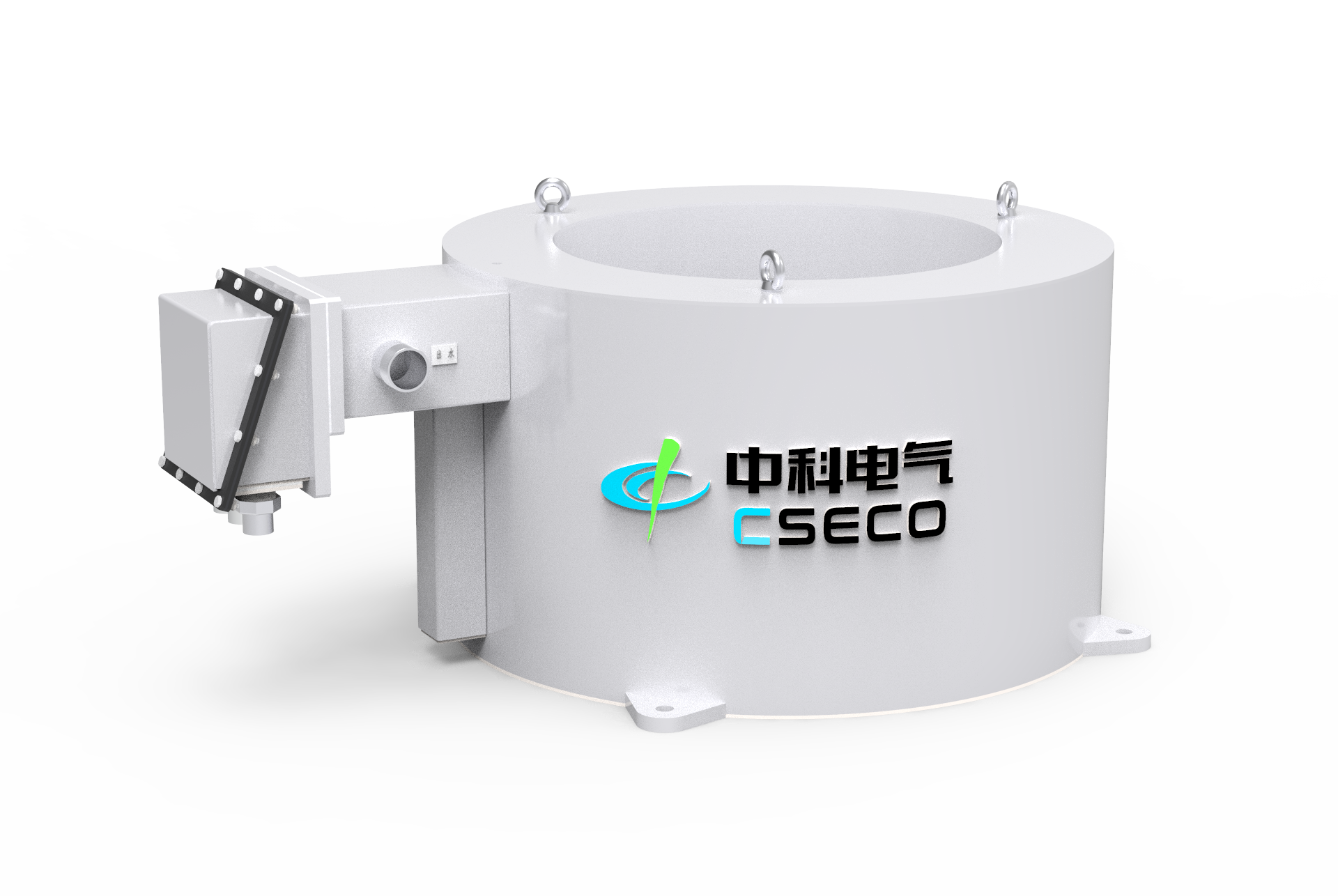
Discipline drives operational uptime. Implementing rigid schedules ensures equipment remains within safe operating parameters. Below is a structured approach to managing maintenance intervals across different technical levels.
Cycle | Personnel Level | Primary Focus Area | Key Action Items |
|---|---|---|---|
Daily | Operational Operators | Cooling & Acoustics | Flow rate verification, pressure checks, acoustic monitoring |
Monthly | Plant Engineers | Electrical & Sensors | Megger testing, water quality analysis, sensor calibration |
Annually | Shutdown Team | Structural & Overhaul | Terminal box inspection, structural integrity, cabinet recalibration |
Operators are the first line of defense. Every shift requires visual and physical checks. You must verify cooling water pressure and flow rates. Check inlet and outlet temperature differentials. A sudden spike in outlet temperature signals internal blockage. Listen closely during operation. Check for abnormal acoustic emissions. Excessive hum or vibration indicates loose internal laminations. Inspect external cabling and connections for visible physical damage.
Engineering teams handle deeper diagnostics every month. They measure and record coil insulation resistance. Megger testing reveals microscopic moisture ingress before it causes a short circuit. Test sensor calibration carefully. Thermocouples and flow switches drift over time. You must also analyze cooling water quality. Testing conductivity and PH levels is non-negotiable. Poor water quality scales cooling channels, which inevitably destroys the copper coils.
Utilize scheduled plant shutdowns for comprehensive overhauls. Complete an internal inspection of terminal boxes. Look for early signs of oxidation or electrical arcing. Perform thorough structural integrity checks. Inspect the housing and all mounting fixtures. Extreme vibration weakens these points over time. Finally, recalibrate the power control cabinet. Ensure it strictly matches your original baseline specifications.
Rapid diagnostics save production runs. When an electromagnetic stirrer malfunctions, engineers must act swiftly. Understanding root causes accelerates the repair process.
Evaluation: Verify the output current directly from the frequency converter. The display might show normal operations, but actual output can drop.
Root Cause Analysis: Check for phase imbalance. Inspect the control cabinet for degraded thyristors. A failing thyristor creates uneven magnetic fields. This drastically reduces the thrust applied to the molten steel. Replace degraded electrical components immediately to restore full stirring intensity.
Evaluation: Compare real-time thermal data against baseline thresholds. Do not ignore warning alarms.
Root Cause Analysis: Inspect internal cooling channels. Look for blockages, scaling, or localized insulation breakdown. When scale builds up, heat transfer drops exponentially. If water flow is normal but temperatures remain high, localized insulation failure is likely generating excess internal heat.
Evaluation: Initiate an immediate system shutdown. Perform rigorous dielectric strength testing to isolate the fault location.
Root Cause Analysis: Moisture ingress in the terminal box is the most common culprit. Condensation builds up during offline periods. Alternatively, a ground fault points to severe thermal degradation. If the copper coil wrapping melts, it touches the iron yoke, causing a massive short circuit.
Magnetic systems do not operate in a vacuum. They interact continuously with surrounding casting machinery. This interoperability directly affects how often you must perform maintenance.
The precise interaction between the magnetic field and the mold housing dictates wear patterns. Physical misalignment causes extreme magnetic vibration. Ensuring complete compatibility with a professional design patented metallurgical equipment mold minimizes vibration resonance. This synergy dramatically extends component lifespan. When the mold and stirrer align perfectly, mechanical stress on the mounting brackets drops significantly.
Operators sometimes deviate from baseline casting electromagnetic equipment specifications. They push current limits to compensate for poor casting speed. This is highly dangerous. Overdriving the system causes severe thermal stress. It exponentially increases maintenance frequency. More importantly, it almost always invalidates manufacturer warranties. Always operate within the rated kilowatt and thrust parameters.
Ambient plant conditions dictate your maintenance intervals. You must adjust schedules based on the environment. High airborne metallic dust acts as a conductor. It requires more frequent terminal box sealing checks. High ambient humidity demands rigorous insulation resistance monitoring. Adjust your baseline checklists to accommodate these specific environmental hazards.
Procurement must look beyond the initial purchase price. Weigh ongoing maintenance support equally with capital expenditure. Choosing the right casting electromagnetic equipment supplier ensures long-term operational stability. Equipment is only as reliable as the team supporting it.
When selecting a manufacturing partner, scrutinize their post-sale capabilities. Use the following criteria:
Documentation: Do they provide comprehensive troubleshooting trees? You need detailed, component-level maintenance SOPs. Generic manuals are useless during a midnight breakdown.
Spare Parts Availability: What is the guaranteed lead time for critical proprietary components? Specialized stators and custom frequency converters must be readily available in regional warehouses.
Diagnostic Capabilities: Does the supplier offer remote diagnostic monitoring? Predictive maintenance software integration is a massive advantage. It allows the factory engineers to analyze your machine data remotely.
Always audit a supplier’s Service Level Agreement (SLA) before finalizing equipment acquisition. Ensure the SLA covers emergency technical support. Confirm they offer routine maintenance training for your onsite engineering teams. A strong SLA is your best defense against prolonged production halts.
Effective maintenance of magnetic casting systems is a strict engineering discipline. It requires rigid adherence to cooling, electrical, and structural protocols. Unscheduled downtime is entirely preventable when you implement predictive monitoring and strict daily checklists. Remember, the survival of your copper coils depends directly on the quality of your demineralized water.
We recommend auditing your current preventative maintenance checklists immediately. Compare your daily and monthly procedures against the original OEM specifications. Ensure your technical teams possess the right diagnostic tools, including megger testers and thermal cameras. Proper tooling makes routine inspections highly effective.
Engage with a qualified engineering team to review your current equipment lifecycle. If your current systems fail frequently, evaluate upgrades. Transitioning to modern, lower-maintenance magnetic systems drastically improves continuous casting reliability and overall plant productivity.
A: The standard cycle requires tiered interventions. Perform daily operational checks on cooling water flow and acoustic levels. Execute monthly engineering audits focused on insulation resistance and sensor calibration. Conduct an annual structural teardown during plant shutdowns. Adjust these baseline intervals slightly depending on your specific operational load and environmental conditions.
A: Equipment specifications define maximum kilowatt ratings and magnetic thrust capacities. These parameters determine the exact water flow rate and pressure required to dissipate heat. They also dictate the strict demineralization standards needed to prevent internal scaling. Following these exact specifications prevents localized hot spots and catastrophic coil meltdowns.
A: Prioritize suppliers offering robust post-sale engineering support. Look for comprehensive preventative maintenance training programs for your onsite staff. Most importantly, ensure they guarantee rapid access to proprietary OEM replacement parts. A supplier with strong remote diagnostic capabilities will further minimize your unscheduled downtime.